Planning guide
Kyoto, Japan
How many days do you need in Kyoto?
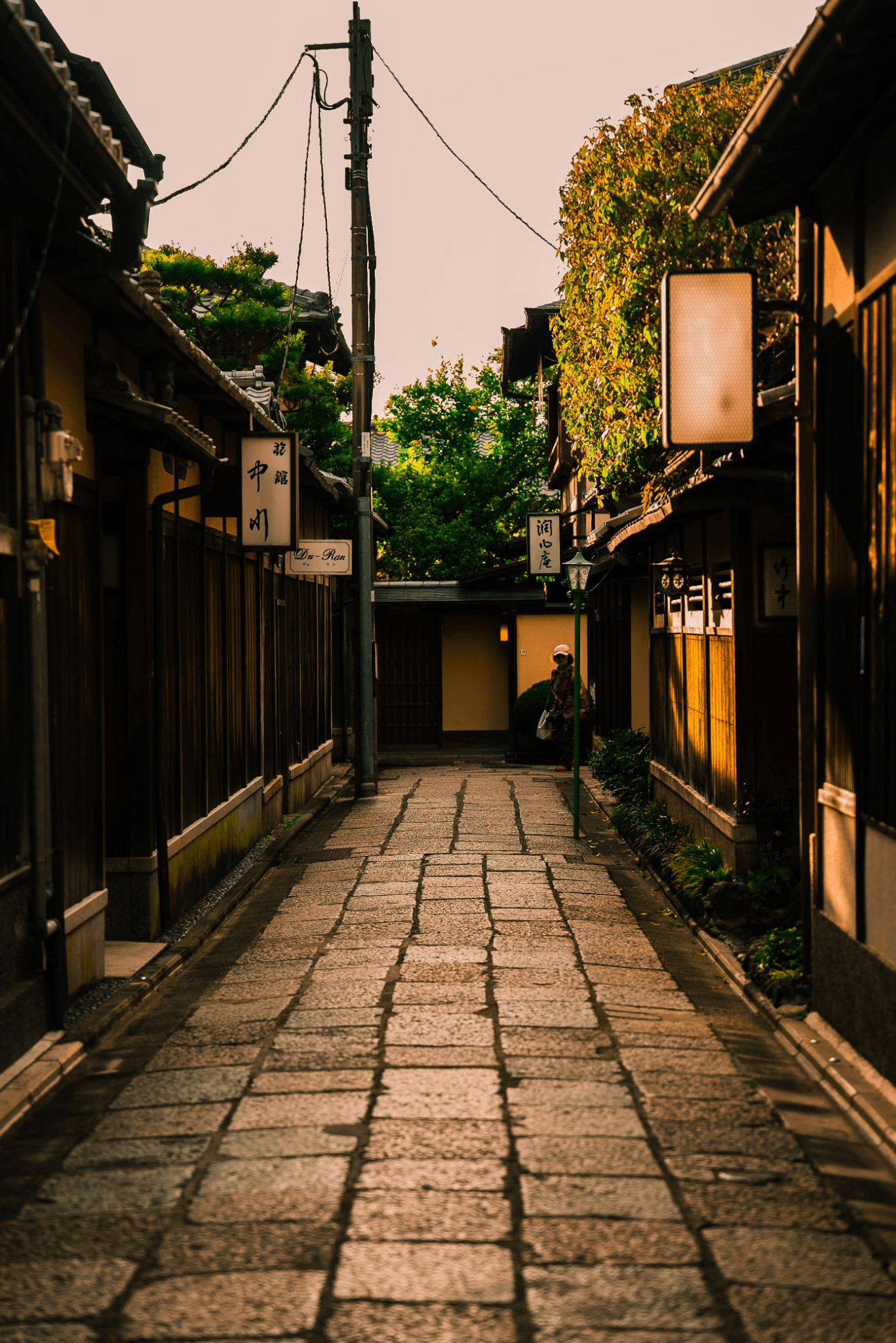
Kyoto rewards time differently than many cities. Its temples, neighbourhoods, gardens and quieter moments are spread across enough of the city that trying to compress everything into a single day can quickly turn the experience into transit between landmarks.
At a glance
2 days
Enough for a focused introduction if Kyoto is one stop within a larger Japan itinerary.
3 days
A practical minimum for combining several major areas without making every hour feel scheduled.
4 days
A strong balance for first-time visitors who want landmarks, neighbourhoods and slower moments.
5 days
Best when Kyoto itself is a major part of the trip and you want space for quieter areas or a day beyond the obvious sights.
The short answer: four days is a very comfortable first visit.
Three days can work well, especially when the wider Japan itinerary is already full, but four days gives Kyoto enough room to feel like a place rather than a collection of famous stops.
With four days, you can divide the city by area instead of crossing back and forth repeatedly, which usually creates a calmer and more efficient trip.
Five days becomes worthwhile when you want quieter neighbourhoods, longer meals, gardens, museums or time to wander without every hour carrying an assignment.
Two days: keep the geography tight.
Two days is best treated as a focused introduction rather than an attempt to cover Kyoto.
Choose a small number of areas that naturally fit together and accept that many worthwhile places will remain for another trip.
The goal should be to experience Kyoto well for two days, not to build a shortened version of a five-day itinerary.
Three days: enough for the essentials with careful pacing.
Three days gives you room to combine several of Kyoto’s major areas while still keeping the itinerary coherent.
A practical approach is to group days geographically rather than travelling repeatedly across the city.
Kyoto’s official tourism guidance emphasizes using trains and subways where practical because major sightseeing areas are spread across the city and buses can become congested. Fushimi Inari, for example, is only about nine minutes from Kyoto Station by JR train, while Arashiyama is also efficiently reached by rail.
Four days: the city begins to breathe.
Four days is where the itinerary can start balancing major sights with neighbourhood time.
One morning can begin early at a well-known temple while another can remain deliberately open for a quieter walk, garden or café without creating the feeling that something important is being sacrificed.
It also gives you more flexibility to organize each day around one part of the city, which reduces unnecessary transit and makes the experience feel considerably less fragmented.
Five days: ideal for travellers who want more than the highlights.
Five days allows Kyoto to become more than its most photographed locations.
You can spend time in districts beyond the standard first-visit circuit, explore areas such as Fushimi beyond the shrine itself, or simply move more slowly through places you would otherwise rush.
Official Kyoto tourism material notes that Fushimi is also one of Japan’s important sake-brewing districts, with more than 20 breweries, which is a good example of how much exists beyond the city’s headline landmarks.
The number of days matters less than how you group them.
Kyoto is easier to enjoy when each day has a geographic shape.
Official tourism information places Arashiyama roughly 25 minutes from Kyoto Station, Higashiyama around 35 minutes and Fushimi Inari around 10 minutes, which makes it clear why bouncing between distant areas in one day can waste time and energy.
A better itinerary lets one area lead naturally into the next instead of treating every landmark as an isolated appointment.
A simple way to choose your stay.
Choose two days when Kyoto is one focused stop in a much larger Japan trip.
Choose three days when you want the major first-visit experiences and are comfortable with a fuller pace.
Choose four days when you want a more balanced first trip.
Choose five days when you want room for neighbourhoods, quieter discoveries and a less scheduled rhythm.
Common questions about planning Kyoto
Is 2 days enough for Kyoto?
Two days can provide a good introduction if you keep the itinerary focused and group nearby sights together, but you will need to be selective.
Is 3 days enough for Kyoto?
Yes. Three days is a practical amount of time for a first visit and can cover several major areas, although the pace will be fuller than a four or five-day stay.
Is 4 days in Kyoto too much?
No. Four days gives you more room to balance major sights with neighbourhoods, gardens, meals and less structured time.
How many days should a first-time visitor spend in Kyoto?
Three to four days is a strong range for most first-time visitors. Four days usually provides the better balance if Kyoto is an important part of the trip.
Is Kyoto easy to get around?
Kyoto has an extensive mix of rail, subway and bus services. Official tourism guidance recommends using trains and subways where practical for major sightseeing areas because they can be faster and more predictable than road travel.
Planning Kyoto?
Let’s build the days around the pace you actually want.
Tell us how long you have, what matters most and how you want Kyoto to feel. We’ll help shape the neighbourhoods, timing and experiences into a journey that leaves room to notice where you are.
Begin Your Story